Designing For Microaggressions
We design microaggression interventions to fight against the slightful malices in life.
What is Microaggression?
“A microaggression is a subtle, everyday verbal, behavioral, or environmental slight or insult that communicates a hostile or derogatory message to a person based on their membership in a marginalized group.”
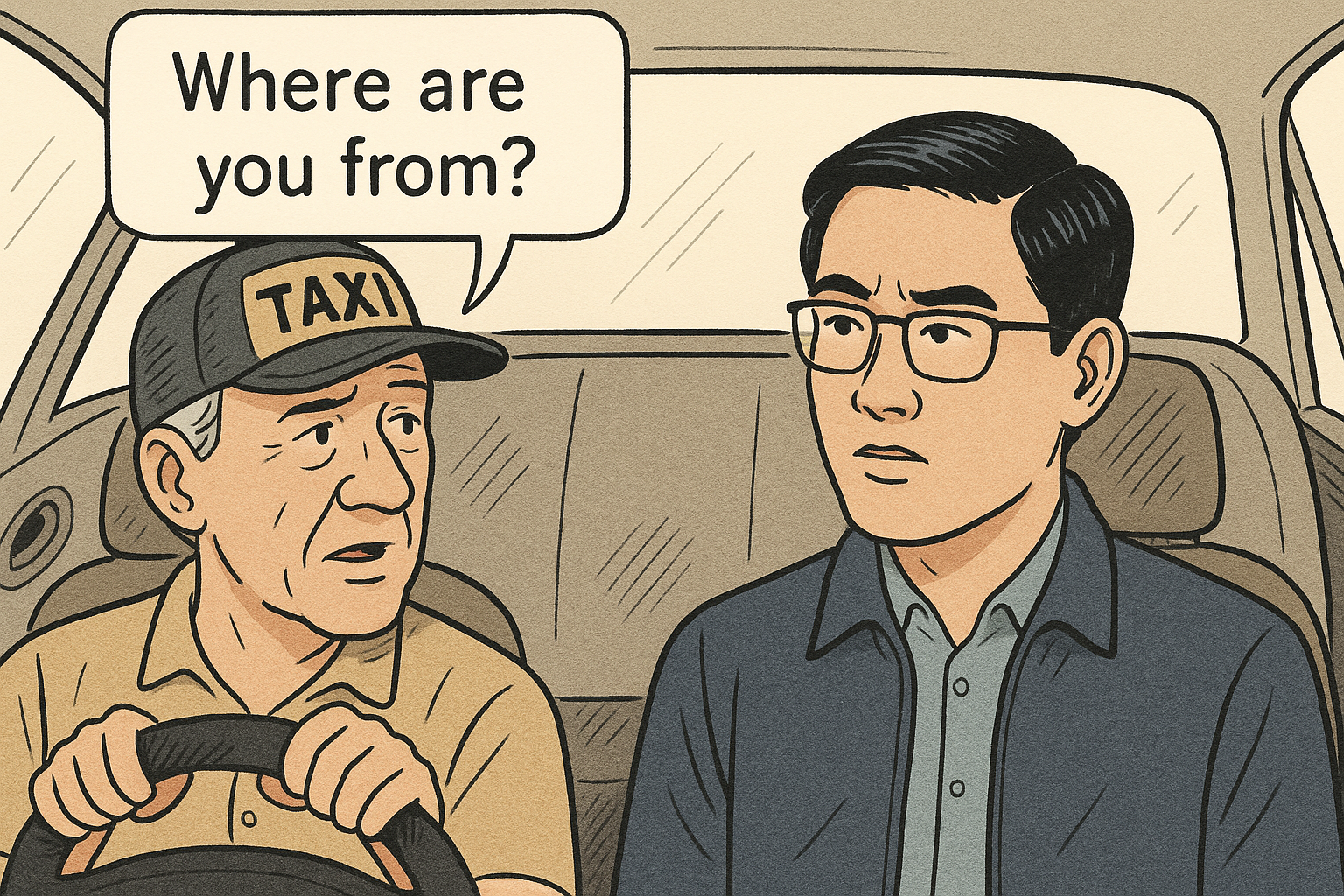
A real-life example would be an Asian American person being asked, “Where are you from?” by a taxi driver in the United States while they are riding in the cab. This is a microaggression because the driver is making an assumption about the person’s identity and origin, usually without any malicious intent. However, this slight can be hurtful and can cause the person to feel marginalized and discriminated against.
Understanding the Stakeholders
In microaggression scenarios, three major groups are involved, each with different needs and perspectives:
Victims
Experience microaggressions as isolating, painful, and threatening. They need comfort and validation.
Our Solution: The Microaggression Phone Booth provides a safe space for support and sharing experiences.
Bystanders
Can provide crucial external reinforcement and support. They need tools to recognize and intervene appropriately.
Our Solutions: Digital Pocket Cards encourage action, while the Plant Mural raises community awareness.
Perpetrators
Often unaware of their impact. They need education rather than punishment to understand and change behavior.
Our Solutions: The Daily Report for reflection and the maCAPTCHA to build empathy.
Study Design
Our research employed a participatory design approach, centering the voices and experiences of those most affected by microaggressions:
15
Participatory Design Workshops
47
Participants from Targeted Communities
3
Focus Groups
Workshop Groups
We organized workshops around three identity dimensions frequently targeted by microaggressions:
Gender
Exploring gender-based microaggressions and interventionsRace/Ethnicity
Addressing racial and ethnic microaggressionsDisability & Accessibility
Focusing on ability-based microaggressionsInstead of treating participants merely as “recipients” of training, we engaged them as co-designers. We asked: What kinds of tools, systems, or experiences would actually help you before, during, or after experiencing a microaggression? This participatory approach ensured our interventions were grounded in lived experiences and real needs.
Our Intervention Designs
Through participatory design workshops, we developed five innovative tools to address microaggressions:
Microaggression Phone Booth
A digital safe space where victims can share experiences, receive support, and find validation in a judgment-free environment.
maCAPTCHA
Interactive challenges that build empathy by having users identify and reflect on microaggressive statements before proceeding.
Microaggression Garden
A visual metaphor showing how microaggressions accumulate over time, affecting individuals like weeds in a garden.
Daily Report
Reflective tool for perpetrators to track and understand their daily interactions and potential microaggressions.
Digital Pocket Cards
Quick-reference guides empowering bystanders with appropriate responses and intervention strategies.
Plant Mural
Community art installation raising awareness about the prevalence and impact of microaggressions.
Project Resources
This work was published in Proceedings of the ACM on Human-Computer Interaction (CSCW ‘25): Sun, L., Chen, Y., Li, B., Li, R., & Vaccaro, K. (2025). Designing For Microaggressions.
Additional Resources on Microaggressions
George Washington University
Resources on Implicit Bias and Microaggressions - Educational materials and guides
National Equity Project
Responding to Microaggressions and Unconscious Bias - Practical intervention strategies
Stanford University
Recognizing and Addressing Microaggressions - Comprehensive resource guide
Reddit Community
r/microaggressions - Community discussion and support forum